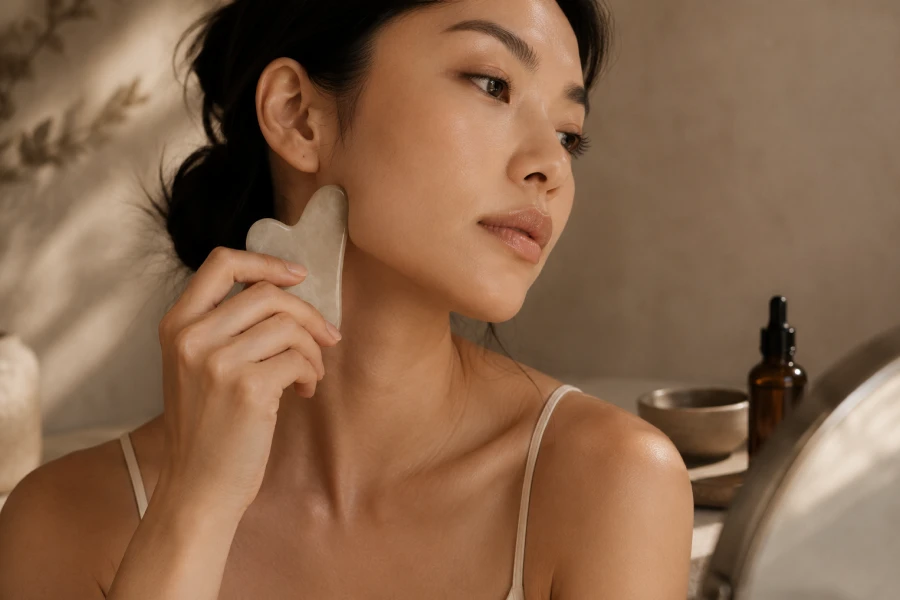
Gua sha for facial sculpting has become popular because it brings intention to a routine that often feels rushed. Rather than adding another complicated step, it encourages slower movements and closer attention to your face. The appeal is not perfection or dramatic overnight change. It is the feeling of showing up consistently for yourself. A few measured strokes can create a welcome pause between cleansing and moisturizer. That pause makes a skincare routine feel more personal. It also gives you a chance to notice where your face feels tense. Over time, gua sha for facial sculpting can become a small ritual that supports a more refreshed-looking appearance.
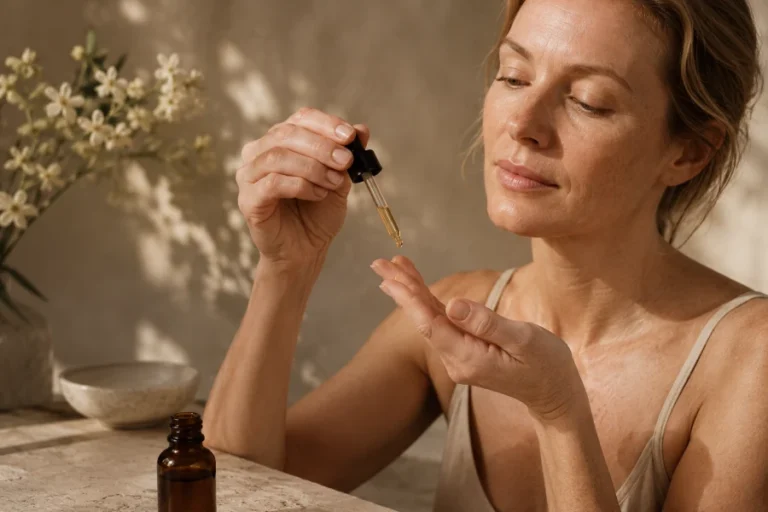
Preparation shapes the comfort of every session. Begin with clean hands, a clean tool, and skin that has enough slip. Applying a few drops of serum or facial oil helps the stone glide instead of tugging. Pressure should remain light, especially around the delicate eye area. A skin prep for gua sha routine also makes the process easier to repeat. Keep your tool nearby so the step does not require extra searching. Choose a time when you can move slowly. Evening may feel restorative, while mornings can feel energizing. The best timing is simply the one you can maintain without pressure.
More pressure does not equal better results. A nearly flat tool and gentle strokes are usually more comfortable than aggressive scraping. Start at the center of the face and guide each motion outward. Along the jaw, keep the movement slow and even. On the cheeks, let the broad curve of the tool follow your natural contours. A dependable gua sha technique prioritizes comfort over force. Your skin should never feel painfully pulled or irritated. If redness lingers, reduce pressure and shorten your session. Gentle consistency creates a much better foundation than intensity.
Many people hold tension around the temples, brow, jaw, and mouth without noticing it. A facial massage gives those areas a reason to soften. Begin by taking one quiet breath before you touch the tool to your skin. Then keep your shoulders relaxed as you work. This creates a calmer pace and helps avoid stiff, hurried movements. A thoughtful facial tension relief practice can feel especially welcome after screen-heavy days. You do not need a long session to notice the difference in mood. Even five focused minutes can signal that the day is slowing down. That emotional shift is part of what makes the habit sustainable.
Faces have different shapes, muscle patterns, and areas of concern. That is why copying someone else’s exact movement pattern is rarely necessary. Use a mirror at first so you can learn what feels natural. Spend more time on areas that feel tight, but keep your approach balanced. The goal is not to chase perfect symmetry. It is to build awareness and comfort into your own routine. Gua sha for facial sculpting becomes more useful when you adjust it to your face instead of forcing a rigid sequence. A few simple motions done well will often feel better than a complicated routine. Let comfort guide your pace.
Morning routines often become a race against the clock. A short facial massage can create a softer transition into the day. Keep the motions brief and focused when time is limited. Start around the neck and jaw, then move upward across the cheeks. This order feels intuitive and helps you avoid jumping around the face. Gua sha for facial sculpting does not need to replace your favorite skincare products. It can fit naturally between hydration and sunscreen. When the ritual feels simple, it becomes easier to repeat. The point is not adding pressure to your morning. It is adding a moment that feels steady.
Consistency does not require a flawless daily streak. It means returning to the practice often enough to learn what works for you. Some weeks may include five-minute sessions each morning. Other weeks may include two longer evening rituals. Both approaches can still feel meaningful. Keep your tool visible so it stays part of your environment. Avoid turning the routine into a test of discipline. Instead, think of it as a flexible form of care. A calming beauty ritual should fit your life, not compete with it. That perspective makes it easier to continue.
Gentleness is the quality that keeps the practice approachable. Use light pressure, clean tools, and enough product to prevent friction. Skip the session when your skin feels sensitized, inflamed, or uncomfortable. You can always return another day. Treat the practice as a way to connect with your routine rather than correct your appearance. The more relaxed you feel, the easier it becomes to keep your movements slow. Gua sha for facial sculpting works best as a supportive addition to healthy skincare habits. There is no need to overdo it. A calm, repeatable approach often feels like the most beautiful result.



Leave a comment